A standard emergency list is written with adults in mind. Children and pets need a few extra things, and they rely on you to think of them ahead of time.
Everything below comes from Ready.gov, FEMA and the CDC, and each point links to the page it came from.
Talk about it calmly, and let children help
The CDC's advice to parents starts with including children. Its page on preparing before an emergency says to:
- Discuss plans for emergencies with your children, and make the plans together.
- Include your children in making emergency supply kits. Ask them what items they think should go in.
- Review with them the types of emergencies that can happen in your area. If tornadoes are common, for example, the CDC says your children should know how to take shelter during one.
- Teach children who are old enough how to call 911, and help them memorize important phone numbers.
The CDC explains why this helps. Children who take part "will be prepared and empowered, which can make emergencies less stressful."
Ready.gov's Ready Kids pages take the same view, and offer games that let children practice.
If something does happen while your children are with you, the CDC's advice is short: stay calm and reassure them, and talk to them about what is happening. "Keep it simple and talk to them in a way that they can understand."
Afterward, Ready.gov's page on helping children cope suggests listening to your kids, giving just the amount of information you feel your child needs when they ask questions, and keeping to a routine.
What to add for infants and children
Ready.gov's list of additional emergency supplies names these for households with children:
- Infant formula, bottles, diapers, wipes and diaper rash cream
- Books, games, puzzles or other activities for children
- A sleeping bag or warm blanket for each person
- A complete change of clothing appropriate for your climate, and sturdy shoes
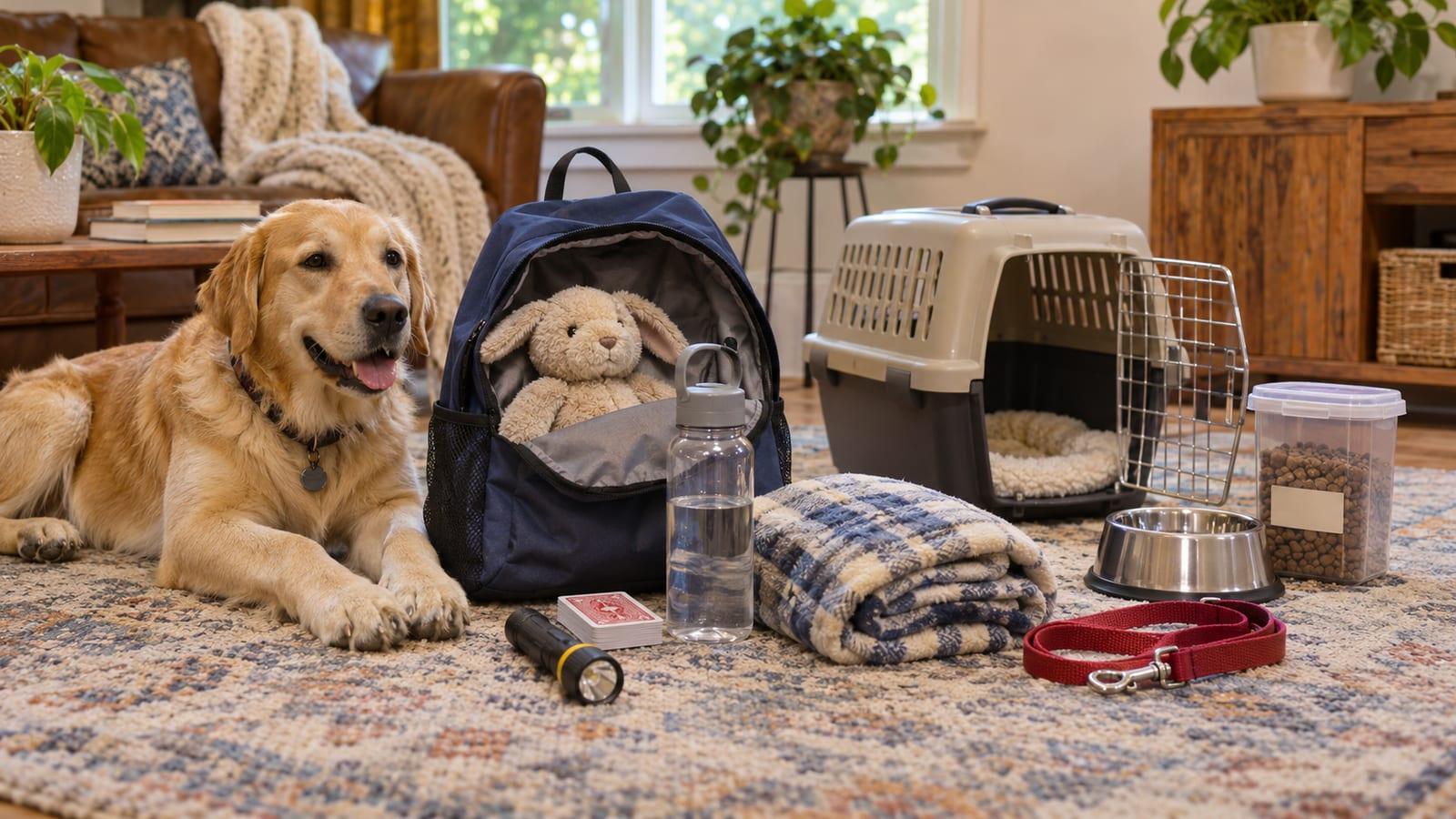
The CDC adds comfort items. It suggests supplies "such as a flashlight, games, and special toys to help keep your children calm during an emergency."
What to look for: the things your child already uses and likes, in the sizes they wear now. Children grow quickly, so check clothing and diaper sizes each time you check your supplies.
School and childcare plans
An emergency may start while your children are somewhere else. The CDC says every school and childcare center should have a written emergency plan, and suggests you find out what it is.
Its page on keeping children safe away from home turns this into three steps:
- Ask how you will be reunited with your child. How will you be notified in an emergency or evacuation? Where should parents or guardians go for pick up?
- Bring extra items your child would need overnight. The CDC's list includes essential supplies such as diapers, extra or special food, milk or formula, and extra essential medications. Ask whether the school keeps these on hand or whether you need to bring them.
- Complete a contact card for your child's backpack and your wallet. The CDC's card has your child's name and date of birth, any medical conditions or allergies, and contact details for the school, the parents or guardians, and emergency contacts who can be called if you cannot be reached.
FEMA has a practical tip for the card. Its back-to-school article says to write it on sturdy paper, cover it with tape or a plastic sleeve, and slip it into a backpack or lunchbox.
The CDC also says to keep the school's contact information for you up to date, and to review the plan yearly.
Children also need to know who to call and where to meet. Ready.gov's planning page for kids says to pick the same out-of-town person for each family member to contact, and to decide on safe, familiar places where your family can reunite. Our guide to a family emergency communication plan covers this step by step.
Pet supplies
Ready.gov suggests two kits for a pet: a larger one for sheltering at home, and a lightweight version in case you need to evacuate. Its list includes:
- Several days' supply of food, in an airtight, waterproof container
- A water bowl and several days' supply of water
- An extra supply of any medicine your pet takes on a regular basis, in a waterproof container
- A first aid kit. Ready.gov says to talk to your veterinarian about what is most appropriate.
- A collar with ID tag and a harness or leash, plus a backup leash, collar and ID tag
- Copies of your pet's registration information and other relevant documents
- Grooming and sanitation supplies, such as pet litter and a litter box if appropriate, paper towels and plastic trash bags
- Familiar items, such as favorite toys, treats or bedding, which Ready.gov says can help reduce stress for your pet
The CDC's pet disaster kit checklist aims higher, at a 2-week supply of food and water for each animal. It also lists photocopied veterinary records and recent photographs of each pet.
Ready.gov says to review your kits regularly so the contents stay fresh.
Pet identification and microchips
If you and your pet are separated, identification is how you find each other again. The official advice has four parts:
- Collar and tags. The CDC's pet safety page says to make sure pets wear collars and tags with up-to-date contact information.
- Microchip. The CDC calls a microchip "one of the best ways to ensure you and your pet are reunited if you are separated." It says to always register the chip and to keep your contact information up to date with the microchip company.
- A second contact. Ready.gov suggests including an emergency contact outside your immediate area in the microchip record.
- A photo. Ready.gov lists a picture of you and your pet together. It can help you document ownership and help others identify your pet.
Carriers
Ready.gov lists a traveling bag, crate or sturdy carrier, ideally one for each pet. The CDC says to write your pet's name, your name and your contact information on each carrier, and to keep a leash or carrier near the exit.
To help a pet get comfortable with it, Ready.gov suggests leaving the carrier out and open in places your pet often visits, feeding treats near it, and adding a favorite blanket so it smells familiar. It also suggests noting where your pets hide, so you can find them quickly.
Where pets can go if you have to leave
Ready.gov is direct about this: "If local officials ask you to evacuate, that means your pet should evacuate too."
The difficulty is where. Ready.gov says all shelters accept service animals, but many public shelters and hotels do not allow pets inside. So the planning has to happen first:
- Find a place now. Ready.gov's evacuation page says to identify a place to stay that will accept pets. The CDC suggests out-of-town friends or relatives.
- Set up a buddy system. Plan with neighbors, friends or relatives so someone can care for or evacuate your pets if you are unable to.
- Ask locally. Ready.gov suggests contacting your local emergency management office, animal shelter or animal control office for advice.
What to do this week
- Ask your children what they think belongs in the emergency kit, and pack it together.
- Add infant supplies, a comfort item and an activity for each child.
- Ask your school or childcare how you will be notified and where you would pick up.
- Fill in a contact card for each child's backpack and for your wallet.
- Check each pet's ID tag, and update your details with the microchip company.
- Find one place that would take your pets if you had to leave home.
Where to go next
- Build a Basic Family Emergency Communication Plan
- 72-Hour Emergency Bags: What Beginners Really Need
- Shelter in Place or Evacuate? A Beginner's Decision Guide
- The First 10 Things Every Household Should Have for an Emergency
Sources
- CDC: Before, During, and After an Emergency (children)
- CDC: Keeping Children Safe Away from Home
- Ready.gov: Ready Kids
- Ready.gov Kids: Make a Plan
- Ready.gov Kids: Helping Children Cope
- Ready.gov: Build a Kit
- FEMA: Back to School, Back to Safety
- Ready.gov: Prepare Your Pets for Disasters
- CDC: Pet Safety in Emergencies
- CDC: Build a Pet Disaster Preparedness Kit
- Ready.gov: Shelter
- Ready.gov: Evacuation