Most of getting prepared is about staying comfortable at home. Now and then, though, the safer choice is to leave. Ready.gov notes that you may have to evacuate quickly because of a hurricane or a wildfire. To evacuate simply means to leave for a safer place.
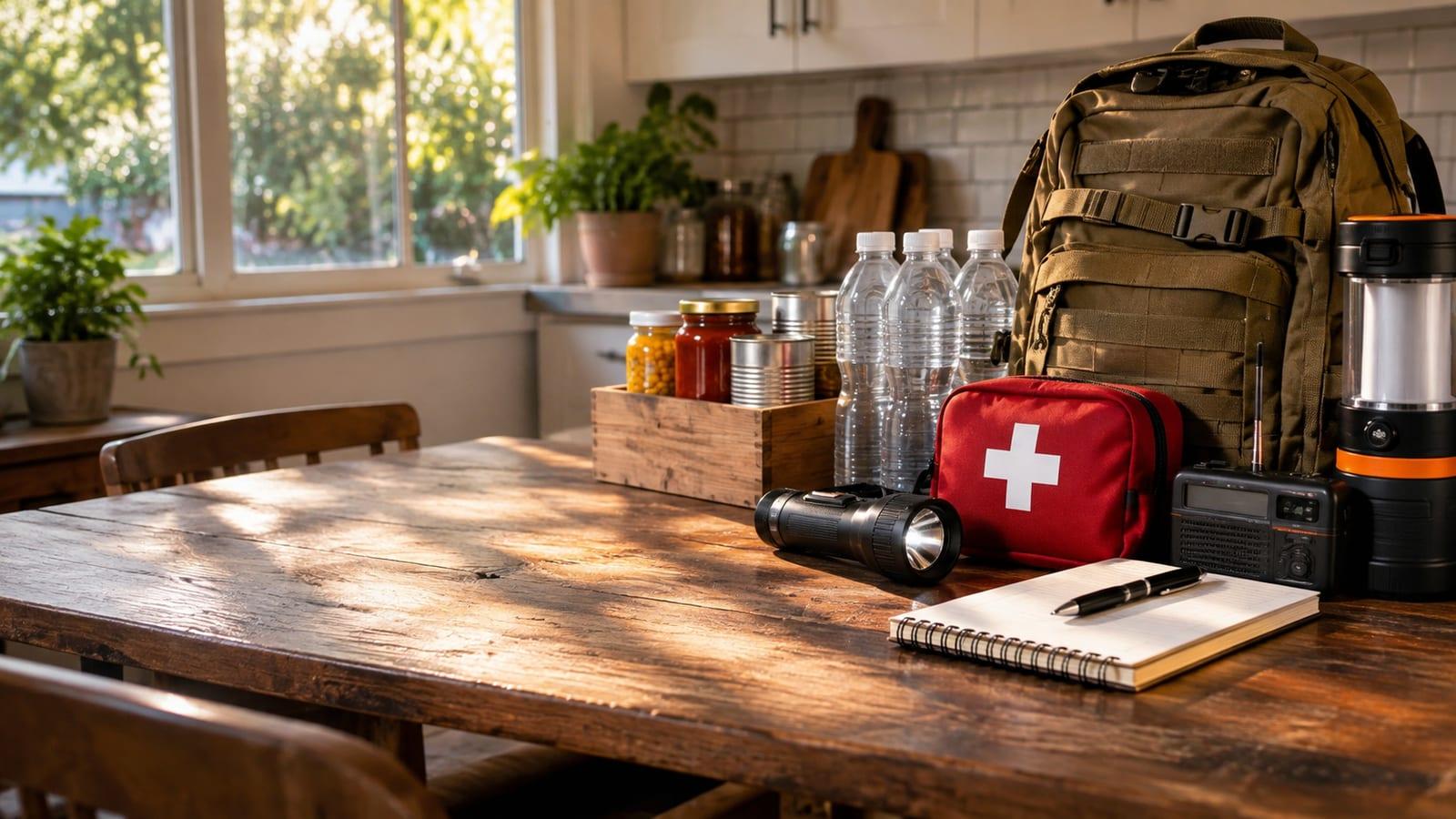
An emergency bag is for that moment. It is a small bag, already packed, so that leaving takes minutes and nobody has to hunt for a flashlight. Some people call it a go bag. This guide covers what goes in it, how heavy it should be and where to keep it.
What an emergency bag is for
Ready.gov's advice is to build a go-bag "with all the essentials you might need, so you don't need to scramble in an evacuation situation."
It is not the same thing as the supplies you keep at home. Your home supplies are the full set: more water, more food, blankets and tools. The bag is the part you can pick up and carry.
FEMA's printable Emergency Supply List describes the same split. It suggests considering at least two kits, one full kit at home and smaller portable kits in your workplace, vehicle or other places you spend time.
Why it is called a 72-hour bag
Seventy-two hours is three days, and the name describes how long the bag is meant to cover.
Some official pages do use that number. A FEMA blog post on building a supply kit says to have your own food, water and other supplies to last for at least 72 hours. Ready.gov's kit page for kids says at least three days. The CDC suggests a three-day supply of necessities for each person in your family.
Ready.gov's main Build a Kit page is less exact. It says "several days" and gives no number.
So treat "72-hour bag" as the common name for this kind of bag, and three days as a starting point, not a precise rule.
What goes in the bag
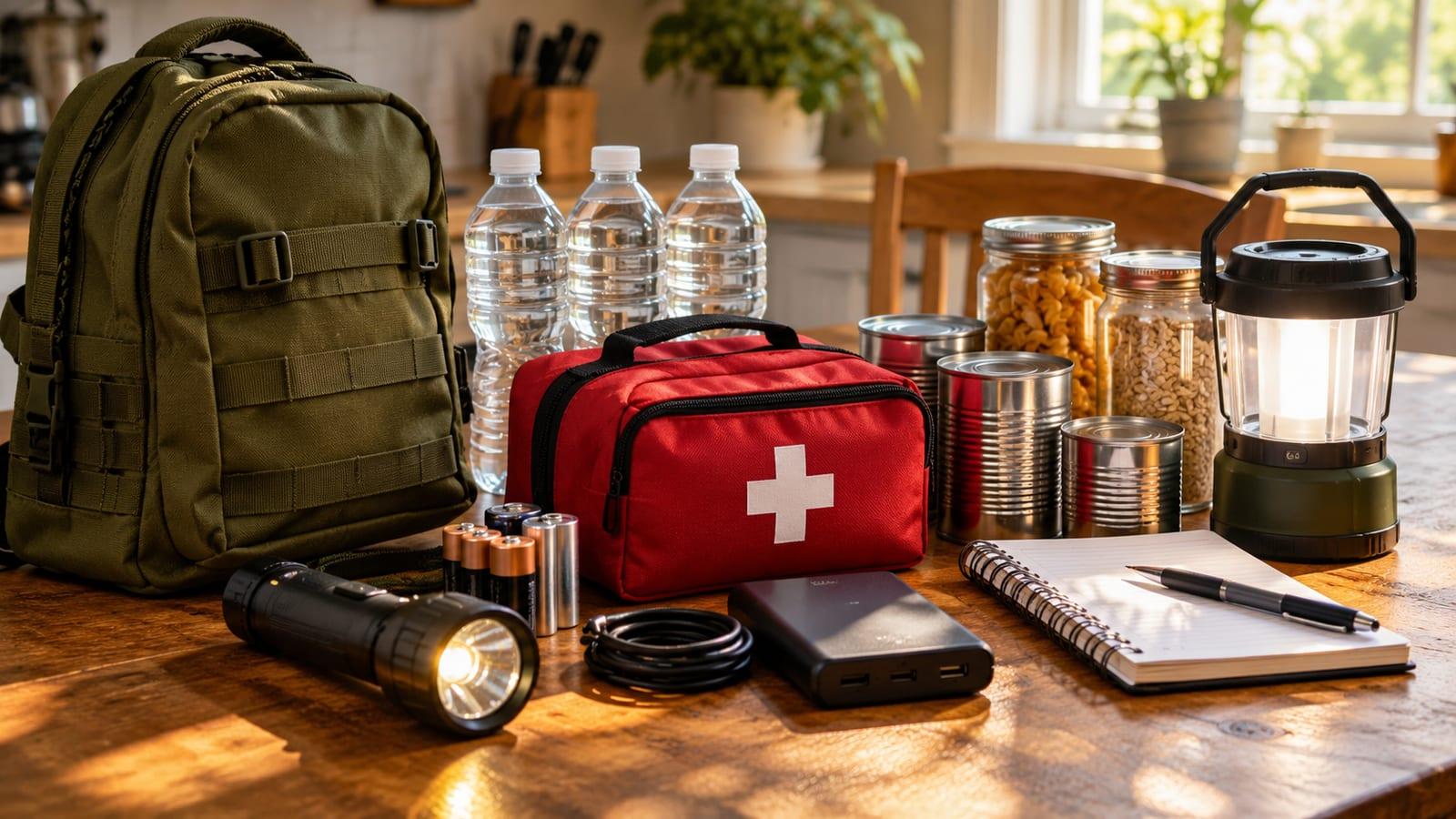
Every item here comes from Ready.gov's basic emergency supply kit and its list of additional supplies. The choice of what goes in the bag and what stays at home is ours.
The basics:
- Water. Ready.gov's guideline is one gallon per person per day for several days.
- Non-perishable food, with a manual can opener if you pack cans
- Flashlight and extra batteries
- Battery-powered or hand-crank radio
- Cell phone charger and a backup battery
- First aid kit
- Whistle, to signal for help
- Dust mask
- Moist towelettes, garbage bags and plastic ties, for sanitation
- Local maps
Personal items. Ready.gov's additional list depends on who is in your household. It names:
- Prescription medications, non-prescription medications, prescription eyeglasses and contact lens solution
- Infant formula, bottles, diapers, wipes and diaper rash cream
- Pet food and extra water for your pet
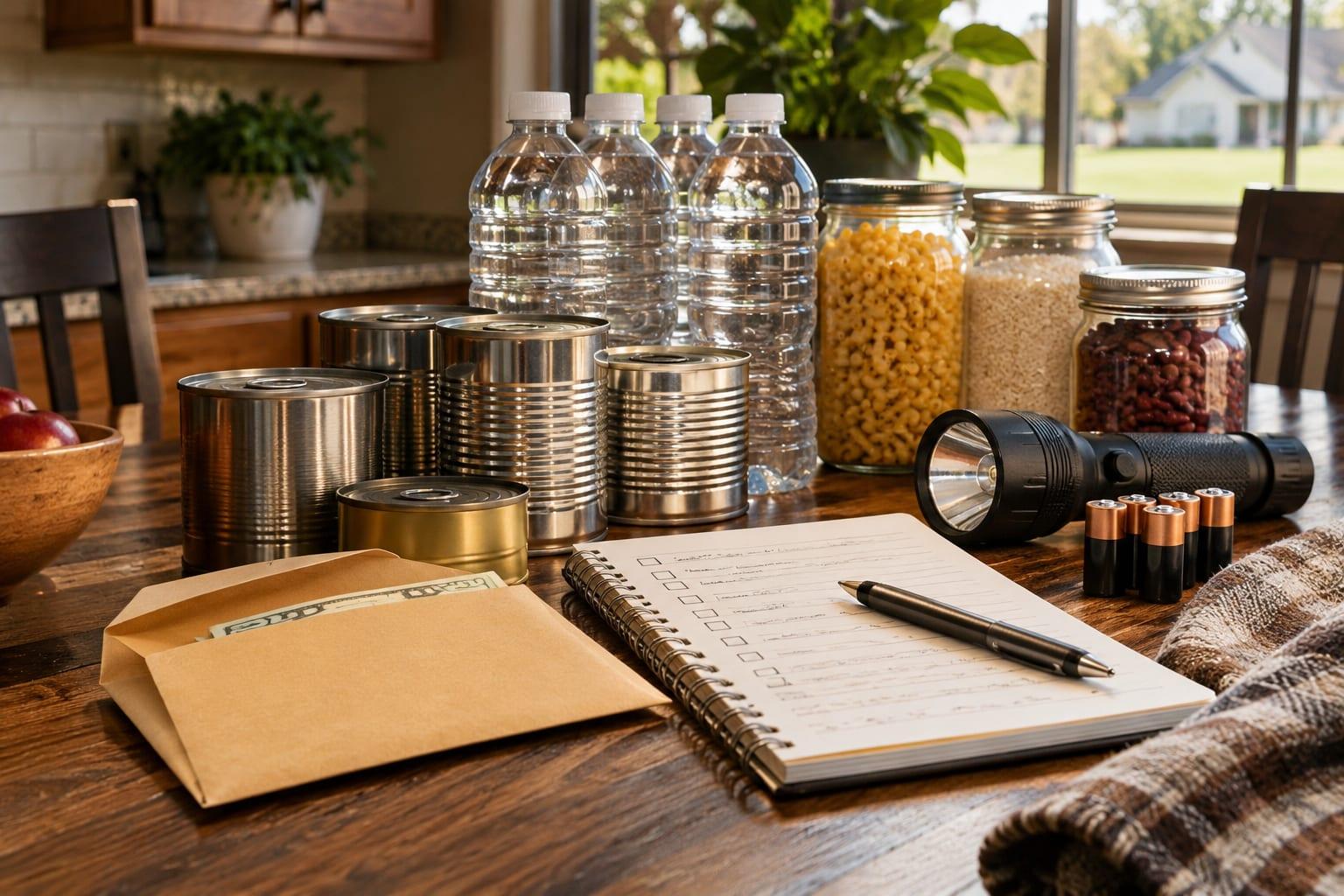
- Cash or traveler's checks
- Copies of important family documents, such as insurance policies, identification and bank account records, saved electronically or in a waterproof, portable container
- A complete change of clothing appropriate for your climate, and sturdy shoes
- Feminine supplies and personal hygiene items
- Books, games, puzzles or other activities for children
- Paper and pencil
The basic list also has plastic sheeting, duct tape, and a wrench or pliers to turn off utilities. Those are for use at home, so we would leave them there.
What to look for: a backpack or duffel bag you already own, with straps that sit comfortably on your shoulders and a zipper that closes fully. Ready.gov says to store kit items in airtight plastic bags, which also keeps the inside of the bag sorted.
For children and pets, see our guide to preparing with kids and pets. Ready.gov suggests a lightweight version of your pet's kit for evacuation.
One bag each, or one for the family?
The official pages do not settle this. Ready.gov only says to put your kit in one or two easy-to-carry containers, such as plastic bins or a duffel bag. What follows is our practical suggestion.
We would pack a small bag for each person who can carry one. Each bag holds that person's own things: water, a snack, a flashlight, a change of clothes and a copy of the family's contact numbers. One adult's bag also carries the shared items: the radio, the first aid kit, the documents, the cash and the chargers.
There are two reasons. The weight is spread out. And if the family is apart for a while, everyone still has the basics with them.
Ready.gov's planning page for kids supports the contact list. It says to write down your contacts and plans, and to make sure everyone in the family keeps a copy in a safe place, like a backpack or wallet.
One shared bag is fine for a couple, or when the children are too small to carry anything.
Keep it light enough to carry
Ready.gov describes a go-bag as one "you can carry when you evacuate on foot or public transportation", with extra supplies for traveling longer distances if you have a car. The same page says your evacuation route may be on foot, depending on the type of disaster.
None of the official pages we read gives a weight limit, so we won't invent one. Use a simple test instead. Put the bag on and walk around the block. If that is a struggle, take something out.
Water adds weight quickly. Pack what each person can carry comfortably, and keep the rest of your water where it is easy to load into the car.
Where to keep it
Ready.gov says to keep your kit in a designated place, to have it ready in case you have to leave your home quickly, and to make sure all family members know where it is kept.
A closet near the door you use most is a sensible spot. Show everyone in the house, including the children.
Add a small kit for the car
Ready.gov's kit page says, "In case you are stranded, keep a kit of emergency supplies in your car." Its car safety page lists these automobile extras:
- Jumper cables
- Flares or a reflective triangle
- Ice scraper
- Car cell phone charger
- Blanket
- Map
- Cat litter or sand, for better tire traction
The car is also the place for the heavier supplies you could not carry on foot. Ready.gov's hurricane and wildfire pages both talk about keeping supplies "in your go bag or car trunk."
One habit is worth adding. Ready.gov's evacuation page says to keep a half tank of gas in your car at all times in case of an unexpected need to evacuate. It explains that gas stations may be closed during emergencies and unable to pump gas during power outages.
Check it on a schedule
A bag packed two years ago may hold stale snacks and clothes that no longer fit. Ready.gov's advice for any kit is to replace expired items as needed, and to re-think your needs every year and update your kit as your family's needs change.
Pick a date you will remember, such as when the clocks change. Open each bag, check the dates on food and water, try the flashlight, and swap out children's clothes for the next size.
Pack your bag this week
- Choose a backpack or duffel bag you already own for each person who can carry one.
- Pack water, ready-to-eat food, a flashlight and a change of clothes in each bag.
- Add copies of important documents, some cash and a written list of phone numbers.
- Walk around the block with each bag on, and take something out if it is too heavy.
- Put the bags in one place near the door and show everyone where they are.
- Set a yearly reminder to replace expired items and update the bags.
Where to go next
- Shelter in Place or Evacuate? A Beginner's Decision Guide
- Emergency Preparedness for Families With Kids and Pets
- Build a Basic Family Emergency Communication Plan
- The First 10 Things Every Household Should Have for an Emergency
- How Much Emergency Water Does Your Family Actually Need?
Sources
- Ready.gov: Build a Kit
- Ready.gov: Evacuation
- Ready.gov and FEMA: Emergency Supply List (PDF)
- FEMA: Building a supply kit for your family
- Ready.gov Kids: Build a Kit
- CDC: Before, During, and After an Emergency
- Ready.gov Kids: Make a Plan
- Ready.gov: Car Safety
- Ready.gov: Hurricanes
- Ready.gov: Wildfires
- Ready.gov: Prepare Your Pets for Disasters