It is easy to worry about whether you would know when to stay home and when to leave. You are not expected to work it out alone. Local officials give instructions, and the official advice is to follow them.
Ready.gov puts it plainly on its evacuation page: "Always follow the instructions of local officials."
The one rule: follow local officials
The CDC describes it this way: "Depending on the emergency, authorities may ask you to stay where you are (shelter in place) or they may recommend that you go somewhere else (evacuate)."
Ready.gov's shelter page agrees: "In all cases, it is important that you stay informed and follow the instructions of local authorities."
So the first job is making sure the instruction can reach you. Sign up for your local alerts, and keep a battery-powered radio at home.
Ready.gov notes that local authorities may not immediately be able to provide information. Until they do, it says to use common sense and available information to judge whether there is immediate danger, and to watch local media for official instructions.
What each term means
Sheltering. Ready.gov says sheltering is appropriate when conditions require that you seek protection in your home, where you work or another location. It may be short, such as during a tornado warning, or it may last longer.
Sheltering in place is the kind this guide is about. Ready.gov describes it as staying where you are, whether that is home, work or somewhere else, and avoiding any uncertainty outside.
Evacuating. Leaving your home, and sometimes your area, for somewhere safer. Ready.gov's examples are a public shelter, a friend's home in another town or a motel.
When officials call for each
We can't give you a rule here, and the official sources don't either. What they do is connect certain emergencies with certain instructions.
Situations the sources connect with sheltering:
- A tornado warning. The National Weather Service says to go to your basement, safe room, or an interior room away from windows.
- Unsafe air outside. Ready.gov mentions large amounts of debris in the air, or local authorities saying the air is badly contaminated.
- Wildfire smoke. Ready.gov says that if you are not ordered to evacuate but smoky conditions exist, stay inside in a safe location or go to a community building where smoke levels are lower.
Situations the sources connect with evacuating:
- A hurricane. Ready.gov says that if you live in a mandatory evacuation zone and local officials tell you to evacuate, do so immediately. The National Weather Service's hurricane warning advice is the same: "Evacuate immediately if so ordered."
- A wildfire. Ready.gov says, "Evacuate immediately if authorities tell you to do so."
Some emergencies can go either way:
- A flood. Ready.gov's flood page lists evacuating immediately if told to, moving to higher ground or a higher floor, and staying where you are.
- A hazardous materials incident. Ready.gov's page on these incidents says that if asked to evacuate, do so immediately. It also has steps for when you are told to stay indoors, starting with sheltering in an internal room.
Which one applies on the day depends on what officials advise. That is why it pays to be ready for both.
Find your evacuation zone and routes now
This is a job for a quiet day, not for the day of an emergency. Ready.gov explains that many states have designated evacuation zones and predetermined evacuation routes, and says to learn your state and local plans by visiting your state and county emergency management websites.
For hurricanes, the National Weather Service says to find out if you live in a hurricane evacuation area by contacting your local government or emergency management office.
Then plan where you would go. Ready.gov's advice:
- Identify several places you could go, such as a friend's home in another town or a motel.
- Choose destinations in different directions, so you have options.
- If you have pets, identify a place to stay that will accept them. Most public shelters allow only service animals.
To find an open public shelter during a disaster, Ready.gov points to the FEMA app. It also says you can text SHELTER and your ZIP code to 43362.
What to have ready for either
The same preparation covers both answers:
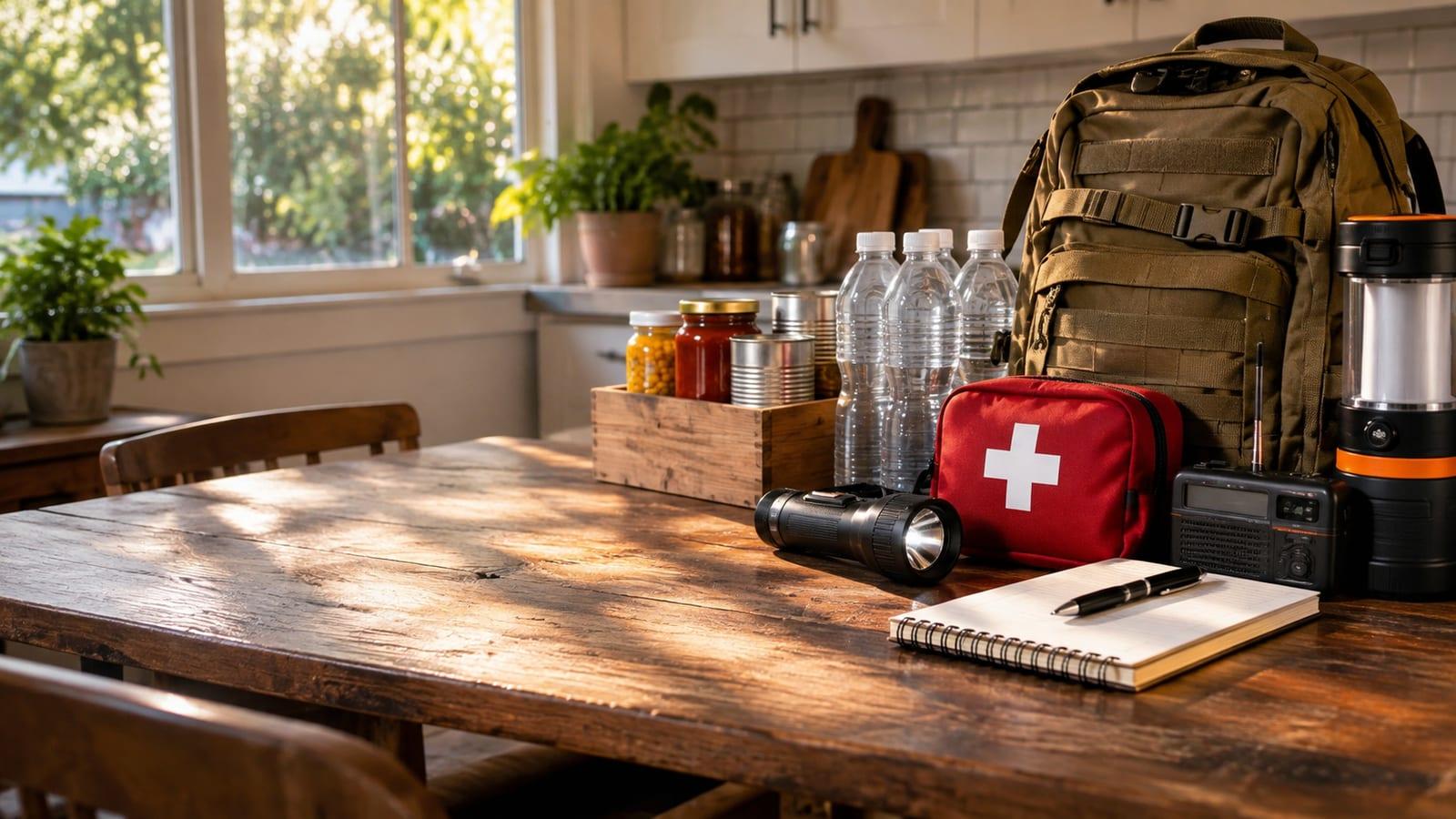
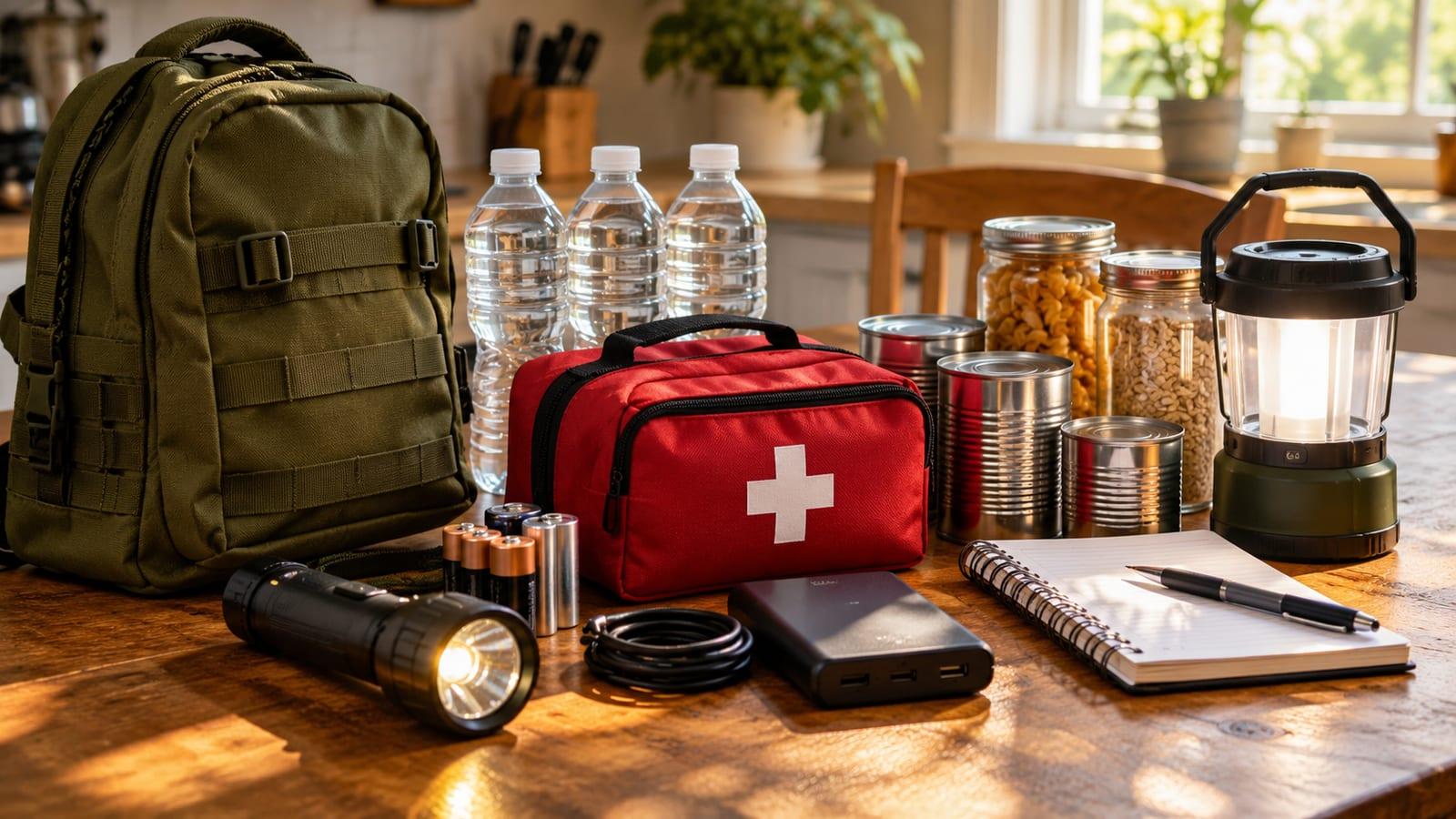
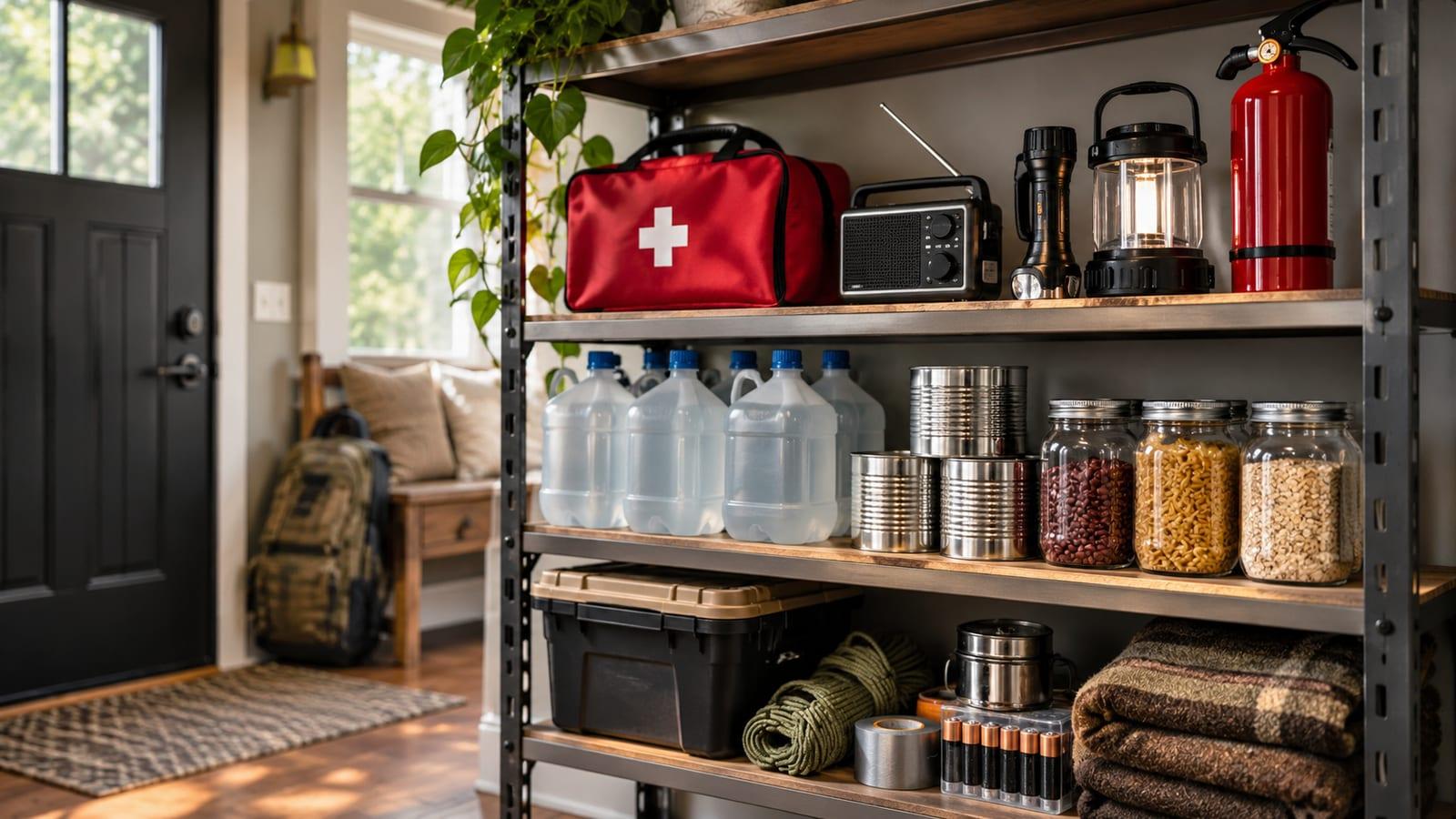
- Supplies. Keep the first 10 things every household should have at home, and a packed emergency bag by the door.
- Fuel. Ready.gov says to keep a half tank of gas in your car at all times, and a full tank if an evacuation seems likely.
- A family plan. Ready.gov says to plan how you will stay in touch if you become separated, and to have a meeting place.
If you are told to evacuate
Leave early enough to avoid being trapped by severe weather, and take your emergency supplies and your pets. Then, if time allows, Ready.gov lists these steps before you go:
- Call or email the out-of-state contact in your family communications plan. Tell them where you are going.
- Secure your home by closing and locking doors and windows.
- Unplug electrical equipment such as radios, televisions and small appliances.
- Leave freezers and refrigerators plugged in unless there is a risk of flooding.
- If there is damage to your home and you are instructed to do so, shut off water, gas and electricity before leaving.
- Leave a note telling others when you left and where you are going.
- Wear sturdy shoes and clothing that provides some protection, such as long pants, long-sleeved shirts and a hat.
- Check with neighbors who may need a ride.
Notice the wording on utilities. Ready.gov says to shut them off if there is damage and you are instructed to, not every time you leave.
On the road, follow recommended evacuation routes. Ready.gov says not to take shortcuts, because they may be blocked, and not to drive into flooded areas.
Before you come home, Ready.gov says to check with local officials, both where you are staying and back home.
If you are told to shelter in place
Ready.gov gives these tips for sheltering in place:
- Bring your family and pets inside.
- Lock doors, and close windows, air vents and fireplace dampers.
- Turn off fans, air conditioning and forced air heating systems.
- Take your emergency supply kit, unless you have reason to believe it has been contaminated.
- Go into an interior room with few windows if possible.
Where the air outside may be contaminated, Ready.gov also describes sealing windows, doors and air vents with thick plastic sheeting and duct tape. It calls this a temporary protective measure that takes planning, because you need to buy the materials ahead of time.
Stay there until you hear otherwise. For a hazardous materials incident, Ready.gov says not to leave the safety of a shelter to go outdoors, including to help others, until authorities say it is safe to do so.
Staying home for longer, comfortably
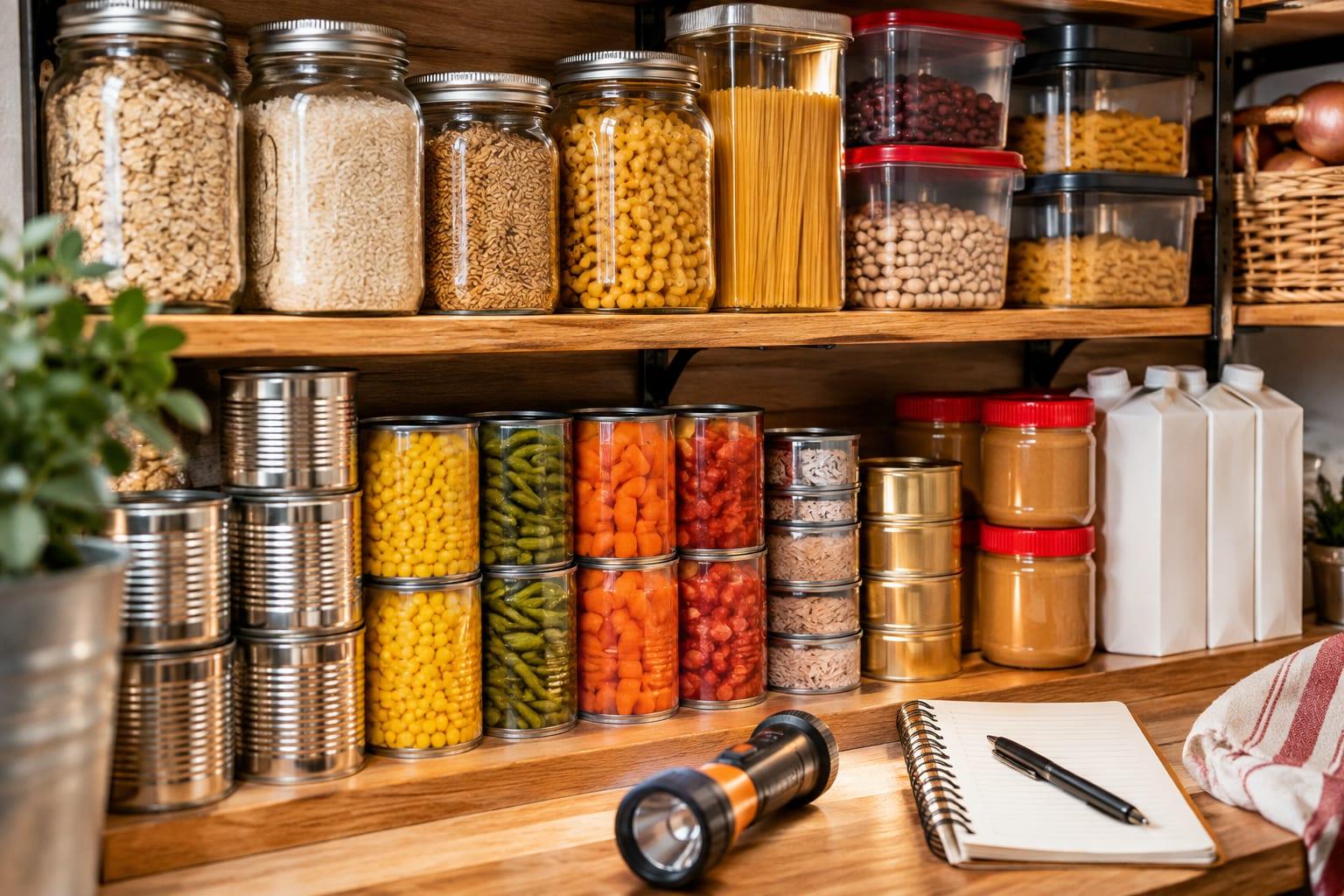
Sheltering can also mean several days at home. Ready.gov notes that during extended periods of sheltering you will need to manage your water and food supplies, so everyone has what they need to get by.
If the power is out as well, a few points from its guidance make the stay easier:
- Food. Keep the refrigerator and freezer doors closed as much as possible. Ready.gov's food page says the refrigerator will keep food cold for about four hours if it is unopened.
- Temperature. Ready.gov's power outage page says to go to a community location with power if heat or cold is extreme.
Get ready for both this week
- Sign up for your city or county emergency alerts.
- Look up your evacuation zone and routes on your state or county emergency management website.
- Pick two places you could stay, in different directions from home.
- Choose the room you would shelter in, an interior room with few windows if possible.
- Show everyone in the house where the main water valve and the electrical panel are.
- Keep at least half a tank of gas in your car.
Where to go next
- 72-Hour Emergency Bags: What Beginners Really Need
- Build a Basic Family Emergency Communication Plan
- Emergency Preparedness for Families With Kids and Pets
- What Stops Working in Your House When the Power Goes Out?
- Keeping Your Refrigerator and Freezer Safe During an Outage
Sources
- Ready.gov: Shelter
- Ready.gov: Evacuation
- CDC: Before, During, and After an Emergency
- National Weather Service: What to Do During a Tornado
- National Weather Service: Hurricane Watches and Warnings
- National Weather Service: Hurricane Plan
- Ready.gov: Hurricanes
- Ready.gov: Wildfires
- Ready.gov: Floods
- Ready.gov: Hazardous Materials Incidents
- Ready.gov: Safety Skills
- Ready.gov: Food
- Ready.gov: Power Outages