Most of us find out what runs on electricity the hard way. The lights go out, and a few minutes later someone asks why the garage door won't open.
It is easier to find out on a quiet afternoon. This guide walks through a typical suburban home, one system at a time. Where official sources say what will happen, we tell you. Where it depends on your house, we tell you what to check.
Start with a ten-minute walk-through
Ready.gov's power outage advice includes a simple job: take an inventory of the items you need that rely on electricity.
Go room by room with a sheet of paper. For each thing you find, ask whether you would miss it in the first day, and whether there is a way to do the job without power.
Lights
What to expect: every room goes dark at the same moment, and everyone needs to move around safely.
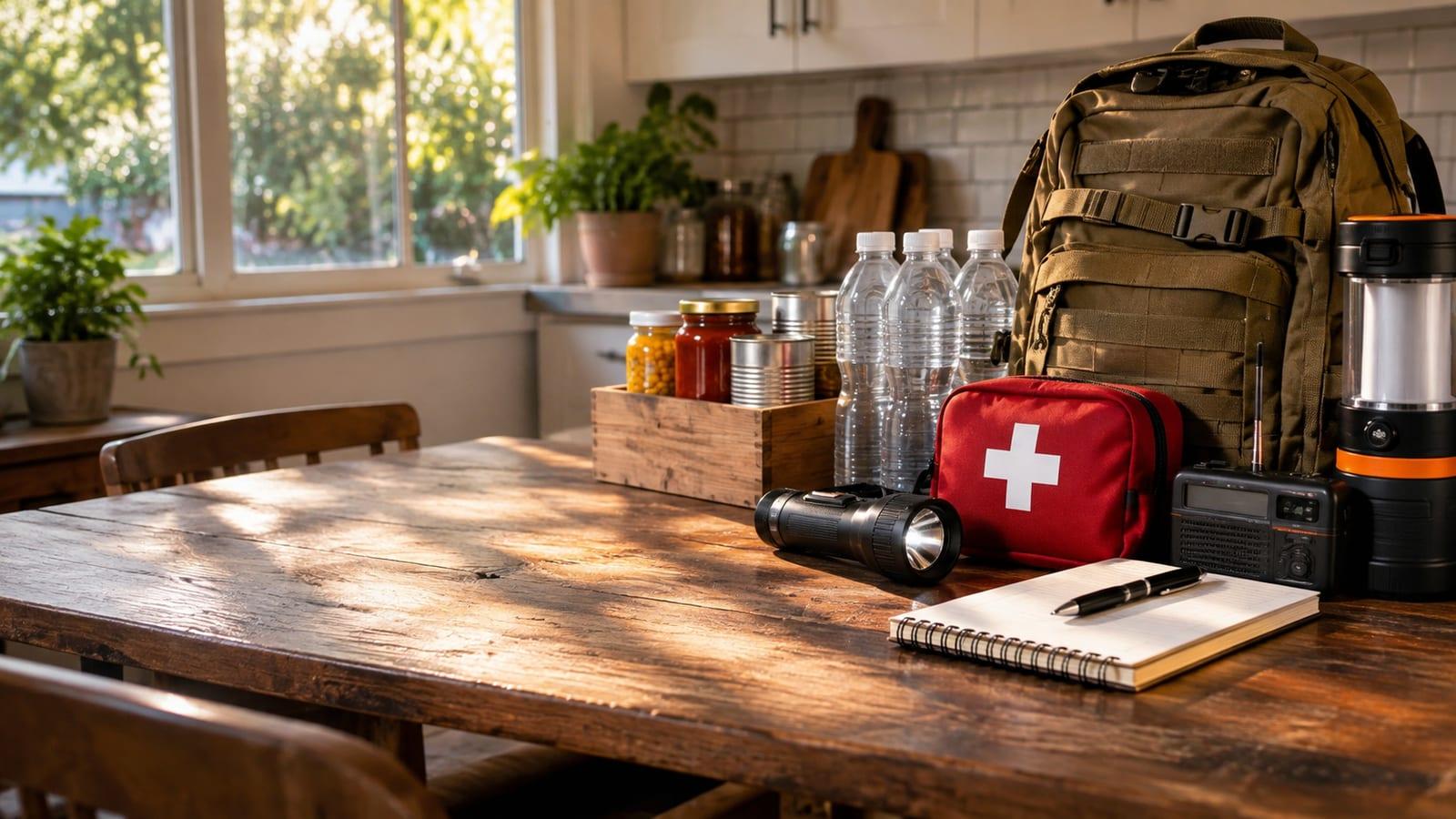
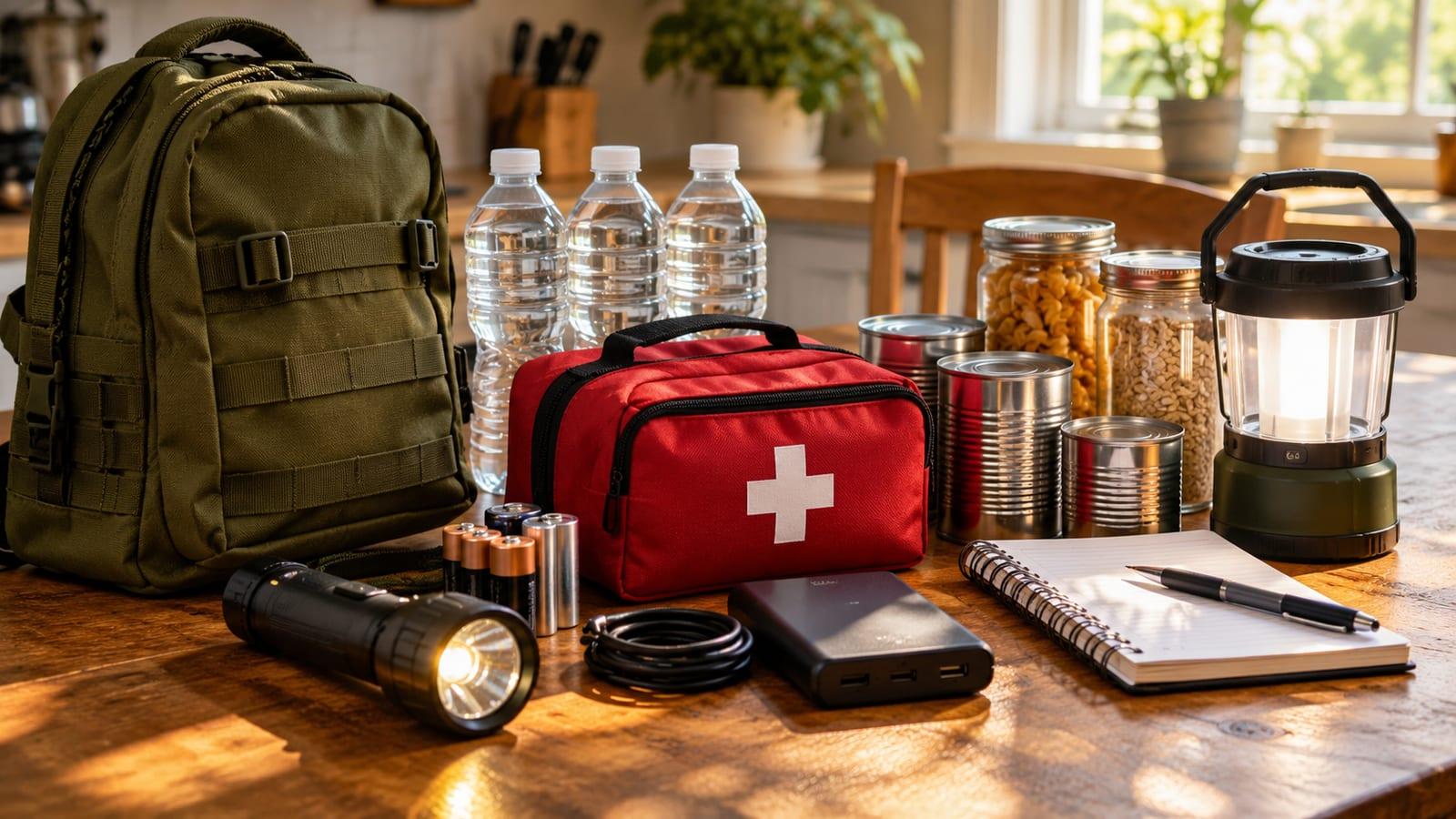
One thing to do: Ready.gov says to have flashlights for every household member. Put one where each person sleeps. The CDC says to use battery-powered flashlights and lanterns rather than candles, gas lanterns or torches, to minimize the risk of fire.
Refrigerator and freezer
What to expect: the cooling stops, but the cold stays for a while if you leave the doors shut. Ready.gov says the refrigerator will keep food cold for about four hours, and a full freezer will keep its temperature for about 48 hours.
One thing to do: keep both doors closed, and put a thermometer in each so you can check the temperature later. Our guide to keeping your refrigerator and freezer safe covers what to keep and what to throw out.
Heating and cooling
What to expect: plug-in fans and air conditioning stop. Heating depends on your system, so find out whether your furnace or boiler needs electricity to run. The manual, or the company that services it, can tell you.
One thing to do: know where you could go. Ready.gov says to check with local officials about heating and cooling locations open near you, and to go to a community location with power if heat or cold is extreme.
- Cold: the CDC suggests having at least one way to keep warm during an outage. Its list starts with extra blankets, sleeping bags and warm winter coats.
- Heat: FEMA's power outage sheet says to find places with air conditioning that you can go to.
Ready.gov is also clear about what not to do: never use a gas stovetop or oven to heat your home.
Water
What to expect: this one depends on where your water comes from.
If you are on city water, official sources don't promise either way. Ready.gov lists water among the services an outage can disrupt. The CDC says that when power goes out, water purification systems may not be functioning fully.
If your home has a private well, find out whether the pump needs electricity. If it does, an outage means no water from the tap until the power is back.
One thing to do: keep some water stored, and listen for local notices. FEMA's sheet says to pay attention to water advisories, and to boil water or use bottled water from your emergency supplies if needed. Our guide to how much water your family needs covers the amounts.
Sump pump
What to expect: if your basement has a sump pump, find out whether it runs only on house power. This matters because, as FEMA notes, outages are more likely during severe weather such as strong thunderstorms and hurricanes. That is the same weather that can put water in a basement.
One thing to do: look at the pump for a backup battery. Ready.gov's flood advice is to consider a sump pump with a battery.
Cooking
What to expect: the microwave, toaster and coffee maker stop. Find out which of your larger cooking appliances work without electricity.
One thing to do: keep a few days of food that needs no cooking. For a hot meal, Ready.gov says alternative cooking sources can be used in an emergency, including candle warmers, chafing dishes, fondue pots or a fireplace. Charcoal grills and camp stoves are for outdoor use only.
Phones and internet
What to expect: your cell phone runs on its own battery, so the first limit is how much charge it has. A home phone is less certain. Ready.gov says to determine whether your home phone will work in a power outage and how long any battery backup will last. FEMA adds that landline phones will not work if the lines are damaged.
The National Weather Service says that if you have a traditional landline, not an internet-based phone service, a non-cordless handset will work even if you lose power.
For home internet, look at your modem and router. If they plug into a wall outlet and have no battery backup, plan on being without Wi-Fi.
One thing to do: keep phones charged and have a way to recharge them. Ready.gov's tech advice is to switch a phone to low power mode or airplane mode to save energy. Our guide to beginner backup power covers power banks.
Garage door and car
What to expect: an electric garage door opener won't run, and your car may be behind it.
One thing to do: the National Weather Service says to find out where the manual release lever of your electric garage door opener is, and how to operate it. It notes that garage doors are heavy, so you may need help lifting one. It also says to keep a house key with you if the garage is your usual way into the house.
Try the release once now, with the door closed.
Smoke and carbon monoxide alarms
What to expect: an outage is when people start using candles, heaters and generators, so this is when alarms matter most. Find out whether yours have batteries or battery backup.
One thing to do: check each alarm. The Consumer Product Safety Commission says alarms should be battery-operated or have battery backup in case of a power outage.
Outside your front door
What to expect: Ready.gov says outages can close retail businesses, grocery stores, gas stations, ATMs and banks.
One thing to do: keep a little cash at home, and don't let the car run low. The National Weather Service suggests keeping your tank at least half full, because gas stations rely on electricity to power their pumps.
When the power comes back
What to expect: Ready.gov warns that power may return with momentary surges or spikes that can cause damage.
One thing to do: during the outage, disconnect appliances and electronics. FEMA's sheet also suggests using surge protection devices.
What to do this week
- Walk through your home and list what you rely on that needs electricity.
- Put a working flashlight where each person sleeps.
- Place a thermometer in the refrigerator and another in the freezer.
- Find the manual release on your garage door opener and try it once.
- Find out whether your furnace, well pump and sump pump need electricity.
- Check that your smoke and carbon monoxide alarms have working batteries.
Where to go next
- Keeping Your Refrigerator and Freezer Safe During an Outage
- Best Beginner Backup Power Options: Power Banks, Stations, and Generators
- How Much Emergency Water Does Your Family Actually Need?
- The First 10 Things Every Household Should Have for an Emergency
- Build a Basic Family Emergency Communication Plan
Sources
- Ready.gov: Power Outages
- FEMA: Be Prepared for a Power Outage (information sheet)
- CDC: What to Do to Protect Yourself During a Power Outage
- CDC: Carbon Monoxide Poisoning Basics
- Ready.gov: Food
- Ready.gov: Floods
- Ready.gov: Get Tech Ready
- National Weather Service: Before an Extreme Solar Event
- CPSC: Keep Warm and Safe This Winter (January 2026)